





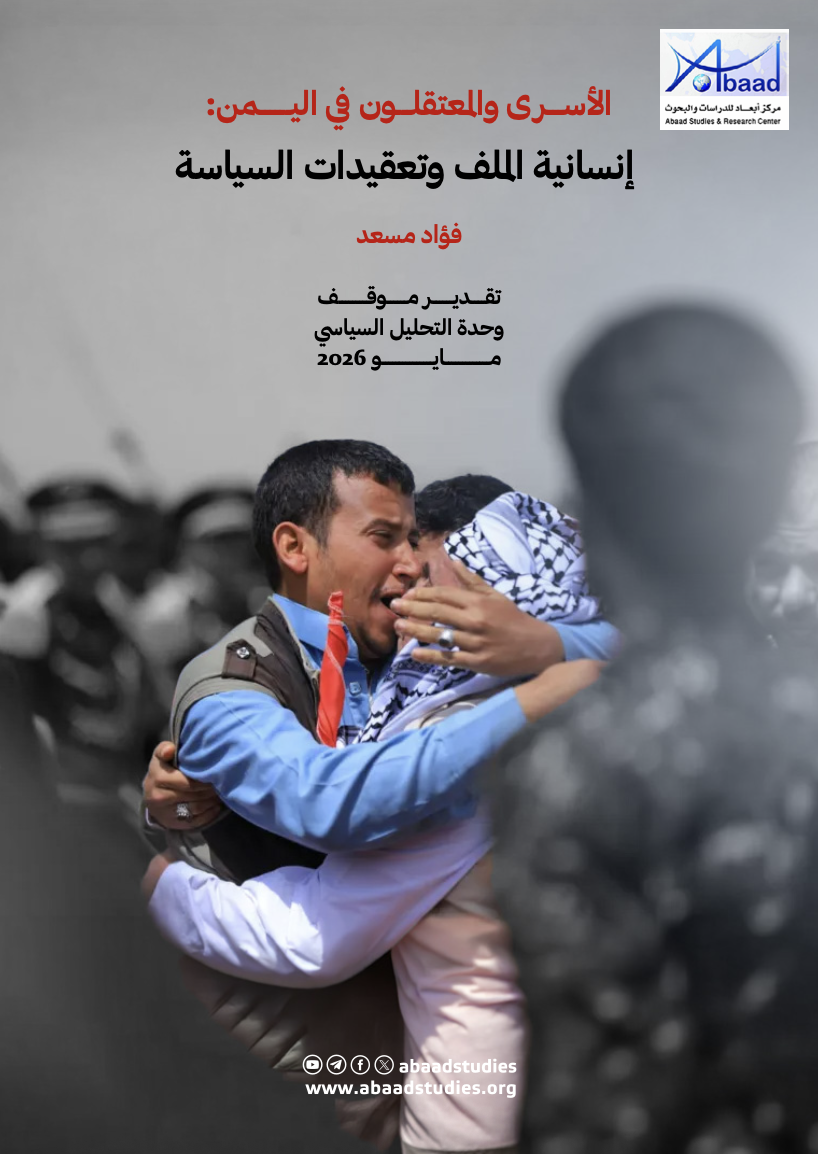
قالت دراسة صادرة عن مركز أبعاد للدراسات والبحوث إن ملف الأسرى والمعتقلين في اليمن لا يزال واحدًا من أكثر الملفات الإنسانية تعقيدًا منذ اندلاع الحرب عام 2015، رغم تعدد جولات التفاوض والاتفاقات الجزئية التي أفضت إلى عمليات تبادل واسعة خلال السنوات الماضية.
وأوضحت الدراسة، التي أعدها الباحث فؤاد مسعد بعنوان “الأسرى والمعتقلون في اليمن: إنسانية الملف وتعقيدات السياسة”، أن هذا الملف لم يعد محصورًا في بعده الإنساني، بل تحول تدريجيًا إلى ورقة ضغط سياسية وعسكرية تستخدمها أطراف الصراع لتحقيق مكاسب تفاوضية، أو لإدارة مسارات التصعيد والتهدئة.
واستعرضت الدراسة أبرز محطات التفاوض، بدءًا من اتفاق ستوكهولم في ديسمبر/كانون الأول 2018، الذي نص على تبادل نحو 15 ألف أسير ومعتقل ومخفي قسريًا، مرورًا بجولة مونترو في سويسرا عام 2020، التي أسفرت عن إطلاق 1056 أسيرًا من الطرفين، ثم جولة برن عام 2023، التي شملت 887 محتجزًا، بينهم قيادات عسكرية وسياسية وصحفيون كانوا محكومين بالإعدام من محكمة تابعة للحوثيين.
وبحسب الدراسة، فإن جولات أخرى عُقدت في الأردن وسلطنة عُمان تعثرت بسبب ربط ملف الأسرى بالمسارات العسكرية والسياسية، إلى جانب الخلافات حول كشوفات الأسماء، والاتهامات المتبادلة بإدراج أسماء وهمية أو أشخاص قُتلوا في الجبهات.
ورأت الدراسة أن “انعدام الثقة” يمثل العقبة الهيكلية الأبرز أمام حل الملف، إذ حوّل كل جولة تفاوض إلى اختبار نوايا بين الأطراف، بدلًا من أن تكون مسارًا إنسانيًا مستقلًا. كما أن احتفاظ الحوثيين بشخصيات سياسية وعسكرية وإعلامية بارزة بوصفها أوراقًا تفاوضية عالية القيمة أسهم في تعطيل مبدأ “الكل مقابل الكل” ودفع الملف نحو صفقات جزئية ومؤقتة.
وانتقدت الدراسة محدودية الدور الأممي والدولي، معتبرة أنه تراجع من دور سياسي ضاغط إلى دور فني ولوجستي يقتصر غالبًا على تنظيم الاجتماعات، وتوفير قاعات التفاوض، وتسهيل عمليات النقل عبر الصليب الأحمر، من دون امتلاك أدوات ضغط فعالة لإلزام الأطراف بتنفيذ الاتفاقات.
وفي المقابل، أشارت الدراسة إلى تصاعد فاعلية الوساطة الإقليمية، خصوصًا الدور الذي لعبته سلطنة عُمان بالتنسيق مع السعودية، في الدفع نحو اتفاق مسقط الإطاري في ديسمبر/كانون الأول 2025، والذي مهّد لاحقًا لصفقة تبادل كبيرة في مايو/أيار 2026 شملت أكثر من 1700 أسير ومحتجز من الطرفين.
وخلصت الدراسة إلى أن أي حل شامل لملف الأسرى في اليمن يتطلب عزله عن الحسابات السياسية والعسكرية، وإنشاء آلية تحقق مستقلة وقاعدة بيانات موحدة للمحتجزين، مع تحويل الدور الدولي من مجرد التيسير الفني إلى ضمان التنفيذ، والضغط من أجل إغلاق هذا الملف الإنساني بصورة نهائية.