




ما هي خيارات الانفصاليين بعد حلّ كيانهم (المجلس الانتقالي)؟
ملخص
منذ تأسيس المجلس الانتقالي في مايو 2017 لم يكن مجرد مكون سياسي، بل مثّل منظومة كاملة من النفوذ السياسي والمالي والعسكري الساعي للانفصال- بحكم امتلاكه تشكيلات مسلحة في عدة مناطق، وبفعل الدعم الإماراتي غير المحدود أصبح في غضون أشهر قليلة يشكل سلطة موازية لمؤسسات الدولة وأجهزتها الأمنية والعسكرية، وشن عليها الحرب أكثر من مرة حتى تمكن من الانفراد بالسيطرة على عدن وعدة محافظات.
وهنا تُطرح التساؤلات حول مستقبل الانفصاليين بعد قرار حل المجلس الانتقالي، ذلك أن هذا التحول يفترض أن يتم الانتقال من نموذج كيان سياسي- عسكري، إلى مرحلة إعادة ترتيب النفوذ داخل الدولة، وهي نقطة مفصلية تتطلب مقاربة تحليلية تربط بين تفكيك الحركات المسلحة من جهة، وإعادة بناء السلطة المحلية ومؤسسات الدولة من جهة ثانية. مع الإقرار بأن هذا النوع من الكيانات لا يقاس بوجود مؤسسة فحسب، بل بعمق الشبكات التي تدعم نفوذه.
تحاول الدراسة أن تركز على مستقبل محافظات الشرق والجنوب اليمني بعد صدور قرار حل الانتقالي ومغادرة رئيسه المشهد السياسي، مع تناول خيارات القيادة الجديدة في التعامل مع الوضع، وآليات إدارة السلطات المحلية ومؤسسات الدولة في ظل التغيرات والتطورات المتسارعة والتحديات الماثلة، كما تتناول الدراسة أهم السيناريوهات المتوقعة في ضوء المؤشرات والمعطيات الراهنة.
تمهيد
تسارعت الأحداث خلال الأيام الماضية بوتيرة كبيرة، سيما بعدما استعادت الحكومة الشرعية – بدعم التحالف العربي بقيادة السعودية- السيطرة على حضرموت والمهرة وشبوة بداية الشهر الجاري، واتجهت الأنظار إلى عدن وأبين ولحج، حيث وجد المجلس الانتقالي نفسه محاصرا بعدة خيارات صعبة، كنتيجة متوقعة لهزيمته الكبيرة في حضرموت والمهرة وانكشافه في شبوة وأبين مع فشل تحقيق هدفه في الانفصال.
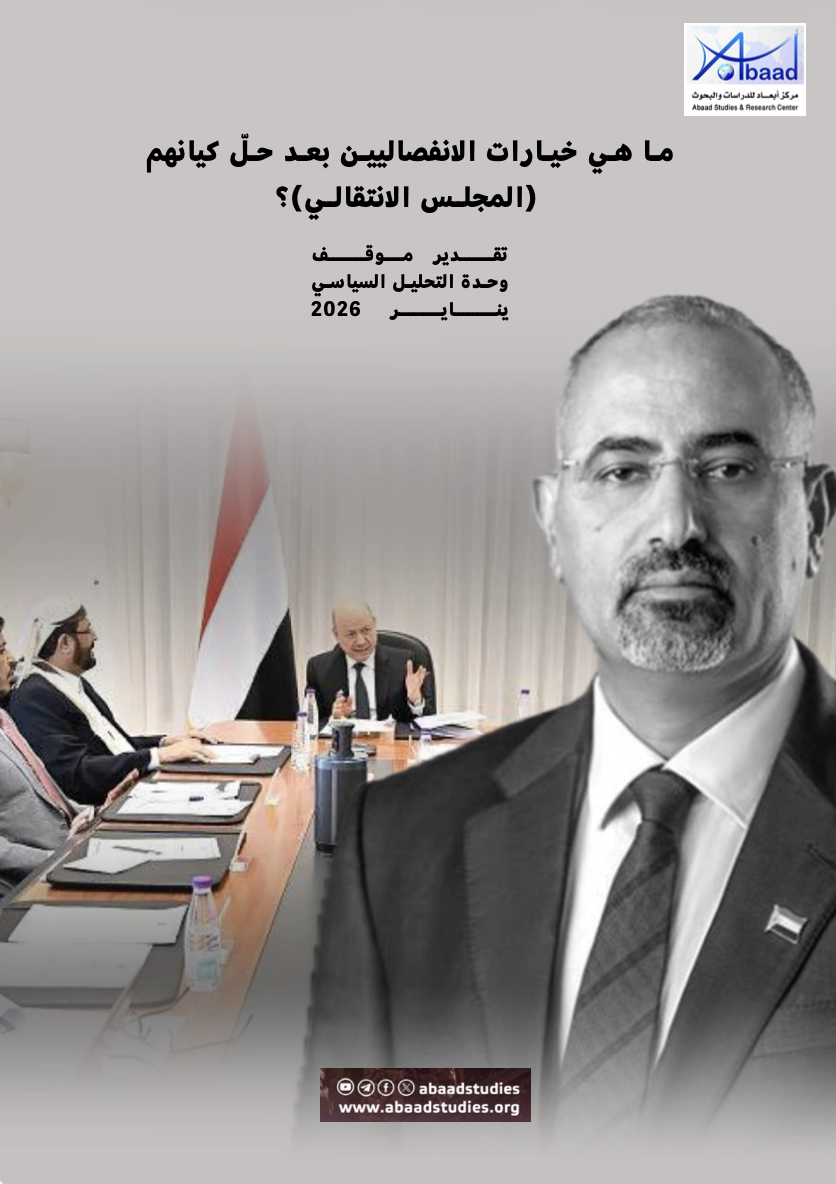
في السادس من يناير الجاري، كانت طائرة الخطوط الجوية اليمنية قد أقلعت من مطار عدن متجهة صوب الرياض، وكان يفترض أنها تقل رئيس المجلس الانتقالي عيدروس الزبيدي وعدداً من قيادات المجلس – للمشاركة في حوار ترعاه السعودية بحسب التفاهمات معه، غير أن المفاجأة أن الواصلين إلى الرياض من ممثلي الانتقالي لم يكن بينهم الزبيدي، ليتأكد لاحقا أنه اختفى بعد وصوله إلى المطار وأغلق تلفونه، ثم توجه هارباً إلى الصومال – عن طريق البحر- وهو ما كشفته بيانات التحالف والحكومة الصومالية، وأنكرته حكومة أبوظبي.
توالت البيانات والمعلومات التي أوضحت أن الزبيدي قبل هروبه قام بنهب الأسلحة من معسكرات عدن ونقلها إلى معسكراته التي أقامها في مسقط رأسه بالضالع، كما قام بتوزيع كمية من الأسلحة عناصر موالين له في عدن من أجل إثارة الفوضى بعد هروبه.
وعلى إثر ذلك أسقط مجلس القيادة الرئاسي عضوية الزبيدي من المجلس وصدر قرار يتهمه بالخيانة العظمى، وبعد أيام اجتمع عدد من قيادات الانتقالي وأصدروا قراراً بحل المجلس وإنهاء جميع تشكيلاته وتكويناته وفروعه، غير أن بعض مسؤولي المجلس رفضوا قرار الحل وهاجموا السعودية وشرعوا في تأليب الشارع ضدها، ونفذوا فعالية احتجاجية في يومي العاشر والسادس عشر من يناير، ولا يزالون يتوعدون بالتصعيد.
السياق العام وأزمة التحول
بعد تأسيس المجلس الانتقالي في مايو 2017 تحول إلى إمبراطورية لدولة داخل الدولة -بحكم امتلاكه تشكيلات مسلحة في عدة مناطق، وبفعل الدعم الإماراتي غير المحدود التي بنت له سلطة موازية لمؤسسات الدولة وأجهزتها الأمنية والعسكرية، وشجعته على التمرد والانقلاب على الدولة ومواجهتها عسكريا أكثر من مرة، حتى تمكن من الانفراد بالسيطرة على عدن وعدة محافظات تمهيدا لتحقيق هدف الانفصال.
لكن قرار الانتقالي حل كيانه في 9 يناير 2026، ترك فراغا يحتاج ملؤه إلى إعادة ترتيب النفوذ داخل الدولة، وهي نقطة مفصلية تتطلب مقاربة تحليلية تربط بين تفكيك الحركات المسلحة والانفصالية من جهة، وإعادة بناء السلطة المحلية ومؤسسات الدولة من جهة ثانية، مع الإقرار بأن هذا النوع من الكيانات لا يقاس بوجود مؤسسة فحسب، بل بعمق الشبكات التي تدعم نفوذه[1].
وفي إطار النزاعات الحديثة، غالبًا ما يؤدي غياب القيادة المركزية إلى إصابة هذه الكيانات بـ"التفتت البنيوي"، حيث تتحول من بنية هرمية إلى شبكة من المراكز المحلية للمصالح[2].
بالنسبة للمجلس الانتقالي فقد مثّل الزبيدي حجر الزاوية، وبالتالي فإن هروبه بهذا الشكل واختفاءه عن المشهد أفقد المجلس عدداً من نقاط القوة، التي كانت تشمل:
- وحدة القرار السياسي.
- القدرة على تنظيم التكوينات التابعة للمجلس بما فيها التشكيلات المسلحة.
- قناة الربط والتواصل داخليا وخارجيا.
وفي هذه الحالة قد يؤدي غياب القيادة المركزية إلى ظهور شبكات نفوذ محلية أو فرعية، أكثر تعقيداً وأقل قدرة على السيطرة، بيد أنها أكثر قدرة على إعادة التشكل في أطر سياسية وإدارية غير رسمية[3].
فيما يتعلق بالقيادات التي أعلنت رفض قرار حل المجلس الانتقالي، وبعضهم موجود في دولة الإمارات، فإنها تواجه واقعا جديداً يتطلب إعادة تقييم الخيارات المتاحة لديها، وتبدو محصورة في الخيارات التالية:
- المواجهة المفتوحة: تبقى خيارا ضعيف الاحتمال، في ظل عدم وجود داعم خارجي معلن، يوفر الغطاء والدعم اللازم، فضلاً عن عدم وجود قدرات عسكرية متماسكة[4]، خاصة بعد الضربات الموجعة التي تلقتها تشكيلات الانتقالي في حضرموت والمهرة.
- التمرد غير المعلن: يمكن أن يعيد إنتاج نفوذ غير رسمي، لكنه غير مضمون النتيجة، مع وجود أطراف وشركاء وخصوم يتتبعون كل شاردة وواردة.
- إعادة التموضع داخل مؤسسات الدولة: مع انتظار فرصة استراتيجية لاستعادة النفوذ السابق[5].
ويشير تاريخ النزاعات إلى أن هذا النمط من السلوك يعكس في كثير من الأحيان عقلية البقاء أكثر من كونها استراتيجية سياسية مستقرة.
تفكيك التشكيلات المسلحة
قبل أن يصدر قرار حل المجلس الانتقالي، كانت تتبعه تشكيلات ووحدات عسكرية وأمنية تم تأسيسها في السنوات الماضية، أبرزها قوات الدعم والإسناد، والحزام الأمني وقوات الصاعقة والعاصفة، فضلاً عن أن بعض الوحدات العسكرية التابعة لوزارة الدفاع أعلن قادتها الانضمام للمجلس الانتقالي.
اقتضت المعالجة التي تقودها الحكومة والتحالف العربي دمج جميع الوحدات والتشكيلات العسكرية تحت قيادة وزارة الدفاع، وفي هذا الخصوص جاءت توجيهات رئاسية للتأكيد على عدم السماح لبقاء قوات مسلحة خارج سيطرة الحكومة ممثلة بوزارتي الداخلية والدفاع.
وهنا يحضر السؤال مجدداً: ما مصير التشكيلات المسلحة التابعة للمجلس الانتقالي بعد حله وهروب رئيسه الذي كان يوصف بالقائد الأعلى لهذه القوات؟
حتى الآن تشير التقديرات وبعض المؤشرات إلى أنه سيتم إلحاق هذه التشكيلات بقوات العمالقة التي يقودها عضو مجلس القيادة اللواء عبد الرحمن المحرمي، وهو الذي ظهر خلال هروب الزبيدي مبديا التزامه بالعمل ضمن الحكومة والرئاسة تحت قيادة التحالف العربي، رغم أنه كان نائب الزبيدي في المجلس الانتقالي، وسبق له التوقيع على بيان يعارض القرارات الرئاسية التي صدرت أواخر الشهر الماضي، ومنها طرد القوات الإماراتية من اليمن وإلغاء اتفاقية الدفاع المشترك معها.
وبحسب التفاهمات والتوجيهات الرئاسية ستتولى قوات درع الوطن التي تتبع رئيس مجلس القيادة الرئاسي الدكتور رشاد العليمي تأمين عدن والمحافظات المجاورة- كما هو الحال في محافظات الشرق- وسيتم إشراك قوات العمالقة في تأمين بعض المناطق، وسيتعين ضم بعض وحدات الانتقالي إلى ألوية العمالقة، فيما سيتم إخراج البقية بعيداً عن المدن، وفقا لحديث قيادات عسكرية في الشرعية والتحالف، مثل ألوية الحزام الأمني التي سيتم الدفع بها في جبهات القتال مع الحوثيين، بعد إعادة تشكيلها لتتلاءم مع المهام والتحديات الجديدة، وبما يمنع حدوث انشقاقات وصراعات جديدة في صف الشرعية، إذ أن توحيد القرار السياسي والعسكري بات يمثل أولوية قصوى للرئاسة والحكومة والتحالف العربي، خاصة بعد إخراج الإمارات من اليمن ومن التحالف، وحل المجلس الانتقالي الذي كان يشكل سلطات موازية للحكومة الشرعية في المناطق المحررة.
وستتضح كثير من ملابسات الوضع القادم لهذه القوات في الفترة القادمة، بعدما تشهد الأوضاع بعض الاستقرار، وهناك تطمينات بأن منتسبي هذه التشكيلات لن يتم الاستغناء عنهم، لأن الهدف إنهاء حالة الازدواج التي ظلت تسود المشهد في الفترة الماضية، وليس بالضرورة أن يعني ذلك تسريح آلاف الجنود.
خيارات القيادات الجديدة
بعد حل المجلس الانتقالي نفسه، اعتمدت الحكومة اليمنية في اختيار القيادات الجديدة في المحافظات الجنوبية والشرقية أسلوب التفكيك الناعم، من خلال شخصيات قريبة من الانتقالي أو محسوبة عليه، (عبد الرحمن المحرمي قائد قوات العمالقة- عضو مجلس القيادة، عبدالرحمن شيخ محافظ عدن، قيادي سابق في الانتقالي)، وكذلك اختيار محمود الصبيحي في مجلس القيادة بدلا عن الزبيدي، وسالم الخنبشي محافظ حضرموت بدلا عن فرج البحسني الذي تبنى مواقف داعمة للزبيدي والمقيم في أبوظبي منذ اندلاع المواجهات في حضرموت.
الاختيار الأبرز كان من نصيب الضالع بتعيين شائع الزنداني وزير الخارجية رئيسا للوزراء، وفي هذا شيء من التوازن المناطقي ضمن مربعات القوة والنفوذ في جنوب اليمن، عبر ثلاث قوى رئيسية:
- يافع ممثلة بعضو مجلس القيادة(المحرمي) ومحافظ عدن(شيخ).
- الصبيحة ممثلة بعضو مجلس القيادة(الصبيحي)، وعدد من قيادات قوات العمالقة التي تتولى تأمين عدن ولحج.
- الضالع يمثلها حالياً رئيس الحكومة(الزنداني)، ويتوقع أن ترتفع حصتها في التعيينات القادمة، خاصة من الشخصيات التي كان لها دور في تفكيك الانتقالي وإصدار قرار حله.
ويمثّل ظهور قيادات جديدة في مواقع السلطة المحلية محاولة لإعادة بناء هيكل السلطة المعترف بها داخل الدولة. وتشير التجارب إلى أن استيعاب العناصر السابقة لكينونات مسلحة ضمن مؤسسات الدولة عملية معقدة، تتطلب قطيعة واضحة مع حالة الاحتشاد الجهوي والعسكري التي كانت سائدة في حقبة الانتقالي، والشروع في بناء روابط مؤسسية جديدة تستوعب تحديات المرحلة الراهنة، وعلى امتداد الوطن اليمني بالكامل.
وإذا كان قرار حل الانتقالي قد منح القيادات الجديدة غطاءً سياسيًا أقوى، وشرعية أوسع للتحرك، وفرصة ثمينة لإعادة بناء السلطات المحلية بدون منافس يملك النفوذ والقدرة على التعطيل، فإن هذا يحمّل تلك القيادات مسؤولية منع إعادة إنتاج الانتقالي بأسماء وصيغ جديدة، وبالتالي فإنها ستكون أمام اختبار صعب، لا يمكن تجاوزه بسهولة وبدون تفكيك شبكات النفوذ السابقة التي ستعمل جاهدة لاستعادة السيطرة ولو بالتخريب ودفع الوضع العام للفشل والانهيار.
وتشير تجارب النزاعات إلى أن القيادات "المنتقلة" من كيان منحل، تصبح أكثر عرضة للضغط والابتزاز[6].
تجدر الإشارة إلى الفروق الواضحة بين كتلتي الشرق والجنوب، يضم الشرق محافظات: حضرموت والمهرة وشبوة وسقطرى، بينما يضم الجنوب عدن وأبين ولحج والضالع، فالأولى تمتاز بامتلاك قدر من الاستقرار الاجتماعي، مع ولاءات أقل تطرفاً، ووجود شرعية محلية أكثر ارتباطا بالدولة ومؤسساتها، وهذا يجعل إمكانية المعالجة والتحول أسهل وأقل كلفة.
بينما تتميز محافظات الجنوب بتركيبة صراعية أعمق، لذلك كان حضور الانتقالي فيها أوسع، الأمر الذي يجعل التحول أكثر تعقيداً، بمعنى أن الشرق يمكن أن يشكل في المرحلة القادمة – مرحلة التحول- نموذجا يحتذى في النجاح والقدرة على التحول والانتقال إلى البناء والتنمية والاستقرار على أسس المشاركة وتعزيز قيم العدالة والمساواة والمحافظة على السلم الاجتماعي.
السيناريوهات المتوقعة
بناء على التحليل السابق وتتبع السياق الزمني والموضوعي يمكن الإشارة إلى عدة سيناريوهات متوقعة لما بعد حل الانتقالي، وتشمل ما يلي:
- السيناريو الأول: تفكيك منضبط، من خلال تنفيذ قرار الحل فعلياً، والانتقال إلى الاندماج في مؤسسات الدولة وفق القدرات والكفاءة والاحتياجات الضرورية، ويبدو أن هذا السيناريو هو الأفضل لكنه يبدو أضعف احتمالاً من السيناريو التالي.
- السيناريو الثاني: بقاء غير رسمي، ويتمثل في إجراء حل شكلي غير حقيقي، مع استمرار بقاء النفوذ السابق عبر شبكات غير معلنة، وهذا يضاعف تحديات القيادات الجديدة ويفاقم الأوضاع ويعمل على عرقلة إصلاحها ومعالجة الاختلالات التي خلفتها إدارة الانتقالي في الفترة السابقة، وستعمل قيادات الانتقالي- خاصة المتورطة في ارتكاب جرائم وانتهاكات جسيمة تشمل القتل والتصفية والاختطافات والإخفاء القسري، أو تلك المتورطة في نهب المال العام، على وضع العراقيل والمعوقات حتى لا تنكشف سجلاتهم أمام الرأي العام محلياً وخارجياً، ويبدو أن هذا السيناريو هو الأرجح.
- السيناريو الثالث: التصعيد وإحداث الفوضى، باستخدام القيادات العسكرية والأمنية الرافضة حل الانتقالي، ما تبقى لديها من سلاح وعناصر في إرباك المشهد العام، وإحداث فوضى عارمة، وهو ما يتجلى في تصاعد خطاب بعض القيادات الموجودة خارج عدن، ودعوتها المستمرة للتظاهر والاحتجاج واستفزاز السلطات المحلية والوحدات العسكرية والأمنية التي تتولى تأمين المحافظات والمؤسسات، عبر استخدام لافتة القضية الجنوبية، وفي حال تصاعد الصدام مع السلطات المحلية والمحتجين ستعمل هذه القيادات على استغلال حالة الاحتقان في تحقيق أهدافها بالتشويش وإثارة الصراع لمنع الوصول إلى التعافي المطلوب.
مراجع
[1] Kathleen Gallagher Cunningham، Inside the Politics of Self-Determination (Oxford: Oxford University Press, 2014).
[2]Ted Robert Gurr، Peoples versus States: Minorities at Risk in the New Century (Washington, DC: United States Institute of Peace Press, 2000).
[3] Barbara F. Walter، Committing to Peace: The Successful Settlement of Civil Wars (Princeton: Princeton University Press, 2002).
[4] Roland Paris، At War’s End: Building Peace After Civil Conflict (Cambridge: Cambridge University Press, 2004).
[5]Robert Muggah، Security and Post-Conflict Reconstruction: Dealing with Fighters in the Aftermath of War(London: Routledge, 2009).
[6]Roland Paris, At War’s End: Building Peace After Civil
Conflict. Cambridge University Press, 2004.